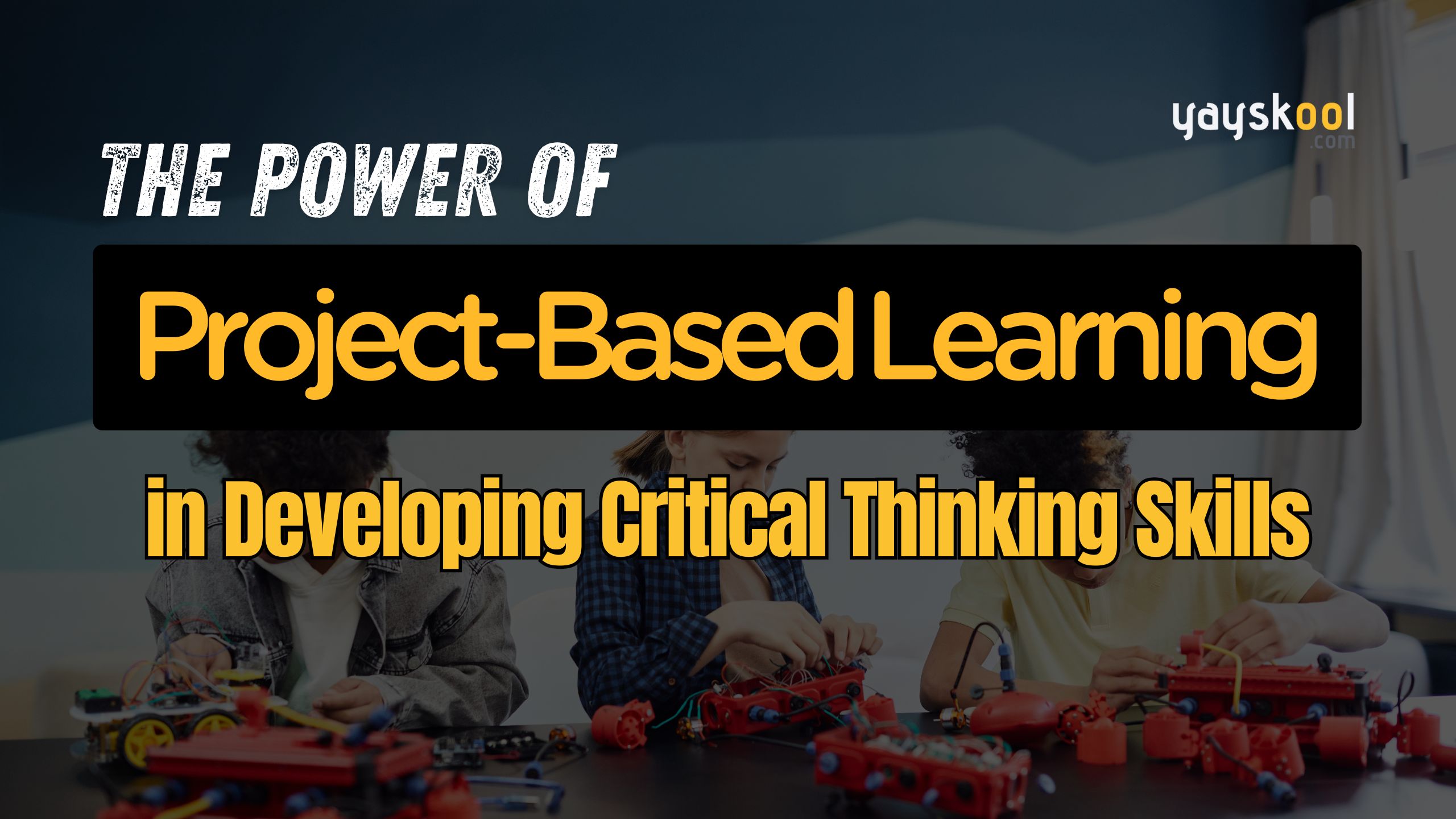
The Power of Project-Based Learning in Developing Critical Thinking Skills
In today’s fast-paced world, the ability to think critically has never been more essential. As students face a constantly changing landscape of technology, information, and global issues, the demand for strong critical thinking skills continues to grow. Traditional methods of teaching often focus on memorization and rote learning, but they fall short when it comes to preparing students for real-world challenges. Enter Project-Based Learning (PBL) – an innovative teaching approach that offers students a more hands-on, immersive learning experience.
What is Project-Based Learning?
Project-Based Learning (PBL) is an instructional method that encourages students to explore real-world problems and challenges over extended periods of time. Instead of simply absorbing facts from textbooks, students engage in meaningful projects that require problem-solving, collaboration, and application of knowledge in a real-world context. PBL is student-centered, with the teacher acting as a facilitator rather than a lecturer.
The hallmark of PBL is its focus on active learning, where students not only learn about a subject but actively apply their knowledge to complete a project. This could range from building a model, designing a solution to a community issue, or developing a presentation on a scientific discovery. The process allows for creativity, experimentation, and deep engagement with the content.
How Does Project-Based Learning Develop Critical Thinking Skills?
Critical thinking is the ability to analyze, evaluate, and synthesize information to form reasoned judgments. It’s about questioning assumptions, considering different perspectives, and making informed decisions. Project-Based Learning provides the ideal environment for these skills to flourish. Here’s how:
1. Problem Solving in Real-World Contexts
In PBL, students are often tasked with solving complex problems that do not have a single "correct" answer. These problems are drawn from real-life situations, meaning that students must research, think critically, and use multiple approaches to find solutions. This process of inquiry and exploration promotes critical thinking by encouraging students to challenge their own assumptions, investigate various perspectives, and arrive at well-reasoned conclusions.
2. Collaboration and Debate
PBL emphasizes teamwork, where students collaborate with their peers to brainstorm ideas, share insights, and solve problems together. Collaboration naturally fosters critical thinking because students must communicate their ideas clearly, defend their viewpoints, and consider alternative perspectives. Debating ideas and negotiating solutions with others encourages them to refine their thinking and broaden their understanding.
3. Independent Research and Evaluation
As part of their projects, students often conduct independent research, collecting data and evaluating sources for credibility and relevance. This process of gathering and analyzing information teaches students how to assess the validity of evidence, recognize biases, and make informed decisions – all key components of critical thinking.
4. Reflection and Revision
One of the unique aspects of PBL is the emphasis on reflection and revision. Throughout the project, students are encouraged to assess their progress, reflect on the effectiveness of their strategies, and make adjustments as necessary. This iterative process allows students to evaluate their work critically, identify areas for improvement, and apply feedback in a constructive way.
5. Learning from Mistakes
Critical thinking is not just about being right; it’s about being willing to make mistakes and learn from them. PBL creates an environment where students are encouraged to experiment, take risks, and approach challenges with a growth mindset. By learning to view mistakes as opportunities for growth, students develop resilience and become more confident in their ability to think critically.
Benefits Beyond the Classroom
The benefits of Project-Based Learning extend far beyond academic achievement. The skills students develop through PBL – such as problem-solving, creativity, and collaboration – are transferable to virtually every aspect of life. In the workforce, employers value individuals who can think critically, work collaboratively, and solve complex problems. PBL equips students with these essential skills, giving them a competitive edge as they prepare for future careers.
Furthermore, PBL encourages students to take ownership of their learning. Instead of passively receiving information, students are active participants in the learning process. This sense of autonomy fosters intrinsic motivation, making students more engaged in their education and more likely to develop a lifelong love of learning.
Real-World Examples of Project-Based Learning
Here are some examples of how PBL can be implemented in different subject areas:
-
Science: Students could work together to design and build a sustainable energy solution for their school, researching alternative energy sources and experimenting with different designs.
-
History: A group of students could create a documentary on a historical event, researching primary sources, interviewing experts, and presenting their findings in a compelling way.
-
Math: Students could design a business plan for a startup, calculating budgets, forecasting expenses, and applying mathematical principles to create a viable financial model.
-
Literature: Students could produce a creative project, such as a play or multimedia presentation, based on a novel they have studied, analyzing themes, characters, and symbolism.
Challenges and How to Overcome Them
While Project-Based Learning offers numerous benefits, it also comes with its challenges. Teachers may face time constraints, resource limitations, or difficulty in managing group dynamics. However, these challenges can be overcome with careful planning, support from school administration, and a clear structure for student collaboration. Providing scaffolding in the form of guiding questions, checklists, and periodic assessments can help keep students on track and ensure that critical thinking skills are developed throughout the project.










.jpg)