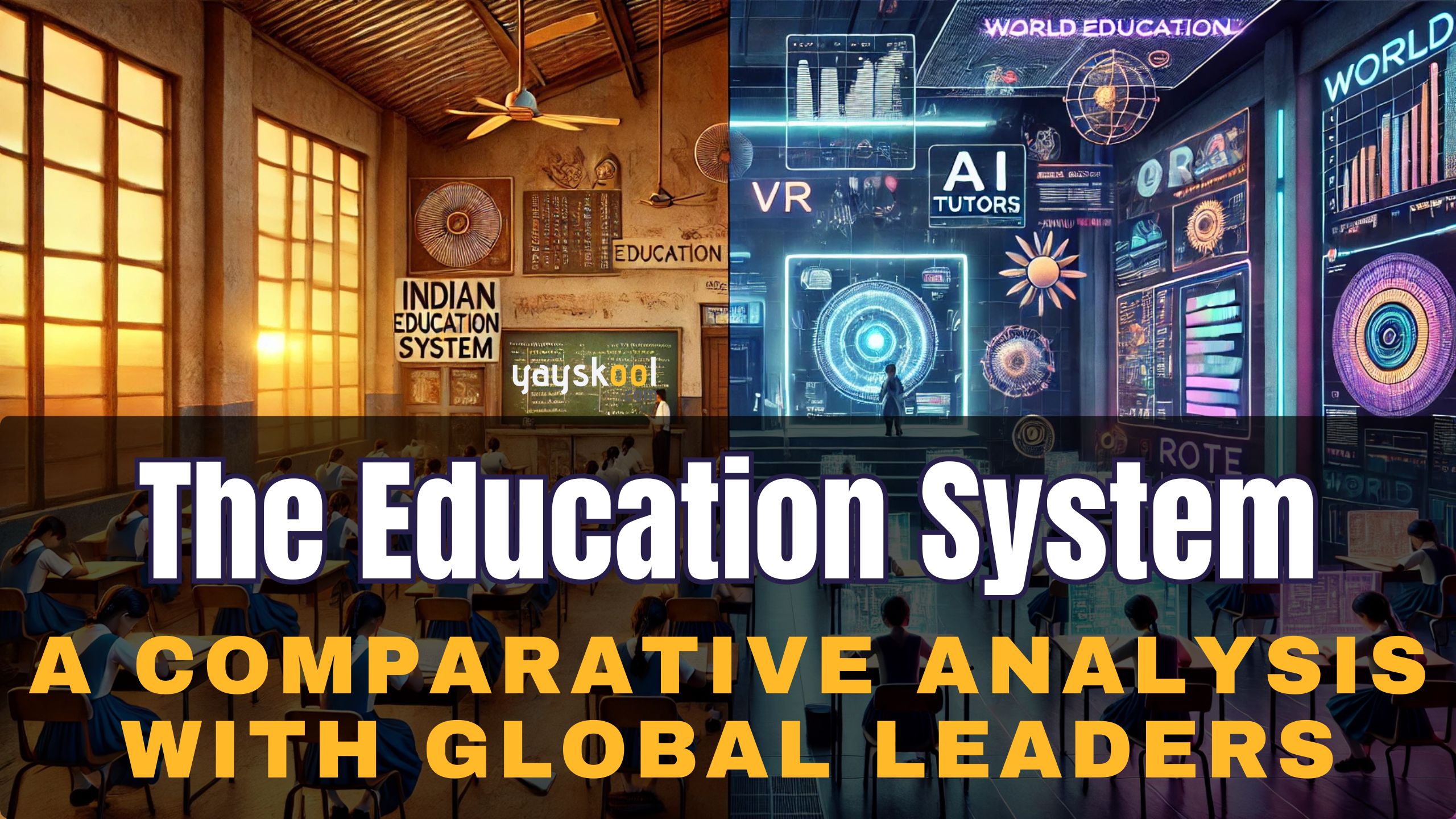
The Best Education System in the World: What Makes It Stand Out?
When we talk about the “best education system in the world,” what do we really mean? Is it about the highest test scores, the most innovative teaching methods, or perhaps the most inclusive and holistic approach to learning? In truth, the best education systems are those that provide students with the skills and knowledge they need to succeed in life, both academically and personally. As countries around the world strive for educational excellence, several stand out as examples of what works.
1. Finland: A Model of Equity and Innovation
Finland’s education system is often hailed as the best in the world. Its success is not just about high academic performance but also about equity and student well-being. Finnish schools focus on creating a stress-free environment where learning is seen as an enjoyable experience rather than a pressure-filled obligation.
Key features of Finland's education system include:
- Equal Opportunity: Every student, regardless of background, has access to the same high-quality education. There are no private schools, ensuring a more equitable system.
- Highly Qualified Teachers: Teachers in Finland are required to have a master’s degree, and teaching is a highly respected profession. This ensures that educators are well-prepared to meet the diverse needs of students.
- Emphasis on Creativity and Critical Thinking: Finnish students are encouraged to think critically, work collaboratively, and apply their knowledge in real-life situations, rather than just memorizing facts.
- No Standardized Testing: Finland doesn’t rely on frequent testing, which allows students to focus on deeper learning and understanding, rather than simply preparing for exams.
2. Singapore: Excellence in Academic Achievement
Singapore’s education system is known for its rigorous academic standards and exceptional results on international assessments like the Programme for International Student Assessment (PISA). The country has consistently ranked among the top for mathematics, science, and reading.
What makes Singapore’s system stand out?
- Meritocratic System: Students are encouraged to excel and are offered pathways based on their strengths. The system rewards hard work and provides opportunities for students to advance according to their abilities.
- Rigorous Curriculum: The curriculum is demanding, with a strong focus on mathematics, science, and languages. Students are prepared for the future with a focus on both academic and technical skills.
- Teacher Training: Teachers in Singapore undergo continuous professional development and are among the best-trained in the world. They receive regular feedback to ensure they maintain high standards.
- Strong Parental Involvement: Parents in Singapore are highly involved in their children’s education, creating a partnership between schools and families that fosters student success.
3. South Korea: A Commitment to Excellence
South Korea’s education system is known for its intense focus on academic success. The country’s students consistently perform at the highest levels on international assessments, especially in subjects like math and reading.
What sets South Korea apart?
- High Expectations: There is a cultural emphasis on academic excellence, and students often attend additional after-school programs (hagwons) to get ahead. While this contributes to high achievement, it also creates a highly competitive environment.
- Long School Days: School days in South Korea are often longer than in many other countries, allowing for additional instruction and extracurricular activities that contribute to overall development.
- Respect for Teachers: Teachers in South Korea are highly respected, and the profession is seen as a noble calling. This respect helps to maintain a high standard of teaching.
- Focus on Discipline and Respect: The school environment places great importance on discipline, respect for authority, and teamwork, which are considered essential for academic and personal development.
4. Canada: A Holistic Approach to Education
Canada’s education system is often praised for its inclusivity and focus on holistic development. It is not just about test scores but also about developing well-rounded individuals who are prepared to thrive in a diverse society.
Why is Canada’s system so highly regarded?
- Inclusive Education: Canada’s education system is known for its inclusiveness, with special attention given to students with diverse needs, including those with disabilities, immigrants, and English language learners.
- Strong Emphasis on Social Skills: Students are encouraged to develop interpersonal skills, critical thinking, and creativity, preparing them for life beyond the classroom.
- Decentralized System: Education in Canada is managed provincially, allowing for tailored approaches that cater to the unique needs of each region. This provides flexibility while maintaining high standards across the country.
- Post-Secondary Success: Canada’s universities and colleges are consistently ranked among the best in the world, offering students access to high-quality higher education and research opportunities.
5. Japan: Precision and Respect for Education
Japan’s education system is known for its emphasis on discipline, respect, and hard work. Students are expected to not only excel academically but also participate in activities that promote character development.
What makes Japan’s education system unique?
- Emphasis on Character Building: Along with academics, schools in Japan place a strong focus on teaching students good values such as respect, responsibility, and perseverance. This holistic approach helps create well-rounded individuals.
- School Life as a Learning Experience: Japanese students participate in daily cleaning rituals, which teaches them about teamwork, responsibility, and the importance of community.
- Rigorous Testing and High Standards: Like South Korea, Japan has a rigorous testing culture, but it is balanced with a strong support system to help students meet these expectations without burning out.
- Teacher Commitment: Teachers in Japan are highly committed to their students’ success and undergo extensive training to ensure they can meet the diverse needs of their classrooms.
6. The Netherlands: Student-Centered Learning
The Dutch education system is known for its student-centered approach, allowing learners to take an active role in their education. It emphasizes critical thinking, problem-solving, and personal responsibility.
Why is the Netherlands a standout?
- Student-Centered Approach: Dutch schools focus on fostering independence in students. The system values individual interests and encourages students to take responsibility for their learning.
- Flexibility and Choice: Students in the Netherlands can choose between different educational tracks depending on their abilities and career interests. This allows them to pursue their strengths and passion areas.
- Work-Life Balance: Dutch students have a balanced school life that includes time for extracurricular activities, hobbies, and family. This well-rounded approach contributes to their overall well-being and happiness.
The Best Education System is a Balanced One
While no one system is perfect, the best education systems in the world share some common characteristics: a focus on equity, highly trained educators, student well-being, and a commitment to fostering not just academic achievement, but also personal growth. As we look to the future, the most successful education systems will continue to evolve, adapting to new technologies, changing societal needs, and the diverse needs of students.
In the end, the best education system is one that prepares students not just for exams but for life, equipping them with the skills, knowledge, and character they need to thrive in a rapidly changing world.









.jpg)