The Future of Work: Preparing for Emerging Jobs
The world of work is evolving at a pace never seen before. Emerging technologies, shifting societal needs, and the global economy are dramatically altering the job landscape. In a world where artificial intelligence, automation, and remote work are becoming the norm, it's more important than ever for students to prepare for the careers of tomorrow. Let’s take a closer look at how to equip yourself for the jobs that will define the future.
1. Understanding the Future Job Market
As we look ahead, some industries will shrink, while others will emerge or experience explosive growth. The rise of automation, artificial intelligence (AI), and digitalization means that manual, repetitive jobs are increasingly being replaced by machines and algorithms. On the other hand, sectors that require creativity, problem-solving, and emotional intelligence—skills that machines can't easily replicate—will thrive.
Key emerging industries include:
- Technology & AI: Fields like data science, machine learning, and cybersecurity are expanding rapidly. As we become more reliant on technology, the need for skilled workers in these areas will continue to rise.
- Green & Renewable Energy: With the global push towards sustainability, careers in clean energy, environmental consulting, and climate change mitigation are set to boom.
- Healthcare: Advances in healthcare technologies, such as telemedicine, personalized medicine, and biotechnology, are creating new job opportunities for those with a background in science and health.
For students, understanding these trends is the first step toward identifying where they might want to focus their careers.
2. Embrace Technological Proficiency
To thrive in the future workforce, students must embrace the digital world. Technological literacy is no longer optional; it’s a necessity. While you don’t need to become an expert coder to succeed, understanding the basics of technology and being comfortable with digital tools is vital.
Here are a few key areas to focus on:
- Coding & Programming: Learning languages like Python or JavaScript can give you a strong foundation in the tech world.
- Data Analysis: With so much data being generated every day, the ability to analyze and interpret data is highly valuable. Skills in tools like Excel, SQL, or Tableau are increasingly important.
- Digital Marketing: As businesses move online, digital marketing skills—especially social media, SEO, and content creation—are in high demand.
Many universities now offer workshops, courses, and certifications to help students develop digital skills, which can give you a competitive edge in the job market.
3. Cultivate Soft Skills
While technical knowledge is essential, soft skills like communication, adaptability, and emotional intelligence (EQ) will remain just as important. As automation takes over more routine tasks, human-centered qualities will become a distinguishing factor in hiring decisions.
Key soft skills to develop include:
- Problem-solving: The ability to think critically and come up with innovative solutions will always be in demand.
- Collaboration: In a future workforce that’s likely to be increasingly remote, working well with others, even when they are miles away, is crucial.
- Creativity: Jobs that require creative thinking—whether in design, marketing, or innovation—will be in high demand, as AI can’t replicate human creativity.
- Emotional Intelligence: Understanding and managing your emotions, and relating well to others, will set you apart in leadership roles, team dynamics, and client relationships.
As you embark on your studies and internships, pay attention to developing these soft skills through group work, leadership roles, and real-world problem-solving opportunities.
4. Prepare for Remote and Hybrid Work
Remote work is no longer a trend—it’s becoming a permanent feature of the modern workforce. The COVID-19 pandemic accelerated this shift, and many companies are now embracing hybrid or fully remote work models. This change is also a major opportunity for students, as you’ll have more flexibility to pursue careers in different regions and even different countries.
To thrive in a remote or hybrid work environment, you need to:
- Master remote collaboration tools: Get comfortable with communication and project management tools like Zoom, Slack, Trello, and Asana.
- Be self-disciplined: Remote work often requires a high degree of personal responsibility. Work on improving your time-management skills and maintaining focus without constant supervision.
- Develop strong communication: In a remote setting, clear and effective communication is key. Regular check-ins, clear emails, and the ability to ask questions when needed will be crucial.
By preparing for remote work now, you can position yourself to be part of the growing global workforce.
5. Lifelong Learning and Continuous Growth
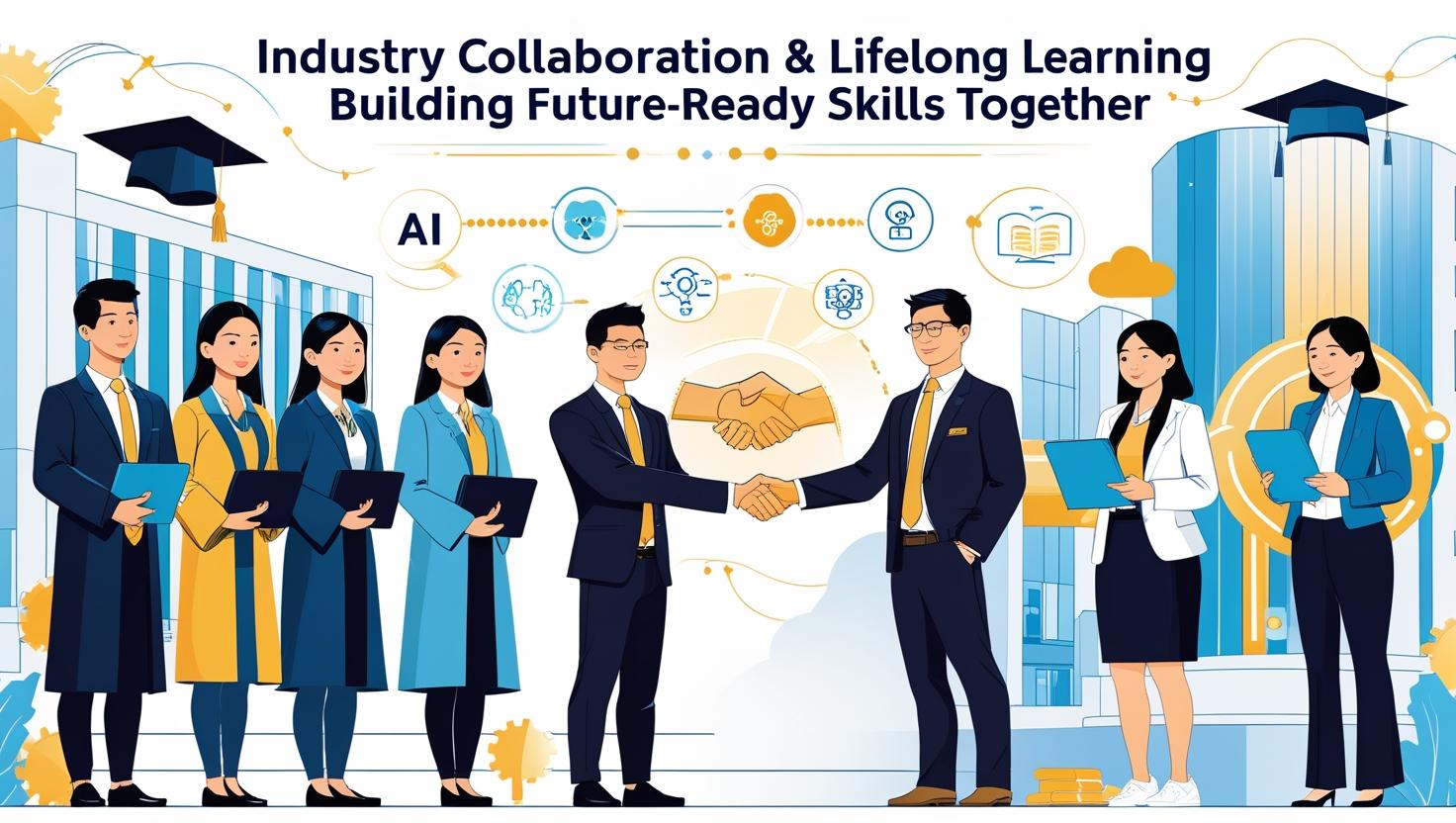
In a rapidly evolving job market, the days of finishing your degree and calling it a day are over. To stay relevant, you need to adopt a mindset of lifelong learning. Whether through online courses, certifications, or on-the-job training, continuous education is the key to staying ahead.
Some ways to continue your learning journey include:
- Online platforms: Websites like Yayskool, Coursera, edX, LinkedIn Learning, and Khan Academy offer free and affordable courses on emerging skills such as data science, machine learning, and blockchain.
- Conferences and Networking: Attend industry conferences, webinars, and workshops. These are not only great for learning but also for networking with professionals in your field.
- Mentorship: Seek out mentors in your chosen industry. Learning from those with experience can help you avoid common mistakes and gain valuable insights.
6. Building Your Personal Brand
In today’s job market, standing out is essential. Personal branding plays a significant role in getting noticed by potential employers. Your online presence, particularly on LinkedIn, can serve as a portfolio of your skills, accomplishments, and passions. A well-curated digital footprint can make a lasting impression.
Steps to build your personal brand:
- Create a strong LinkedIn profile: Highlight your experiences, skills, and projects, and keep your profile updated.
- Start a blog or personal website: Show off your expertise, thoughts, and creative work. A personal website can serve as your digital resume.
- Engage on social media: Participate in relevant online communities, share industry news, and contribute to conversations in your field.
By actively building your personal brand, you increase your visibility and make it easier for potential employers or collaborators to find you.
Final Thoughts: The Future Is Now
The future of work is dynamic, and the opportunities are vast. By developing a combination of technical skills, soft skills, and a commitment to lifelong learning, students can successfully prepare for the challenges and rewards of emerging jobs. The key is to stay proactive, remain curious, and be ready to adapt to the ever-changing landscape of the modern workforce.
So, whether you're interested in AI, green energy, healthcare, or any other emerging field, take the time now to understand where the job market is headed and position yourself for success. The future of work isn’t just about surviving—it’s about thriving in a world of endless possibilities.









.jpg)