Project-Based Learning: The Future of Education?
In a world where Google has answers and AI can write essays, traditional rote learning is no longer enough. Education is shifting from “What do you know?” to “What can you do with what you know?” — and that’s where Project-Based Learning (PBL) comes in.
What is Project-Based Learning (PBL)?
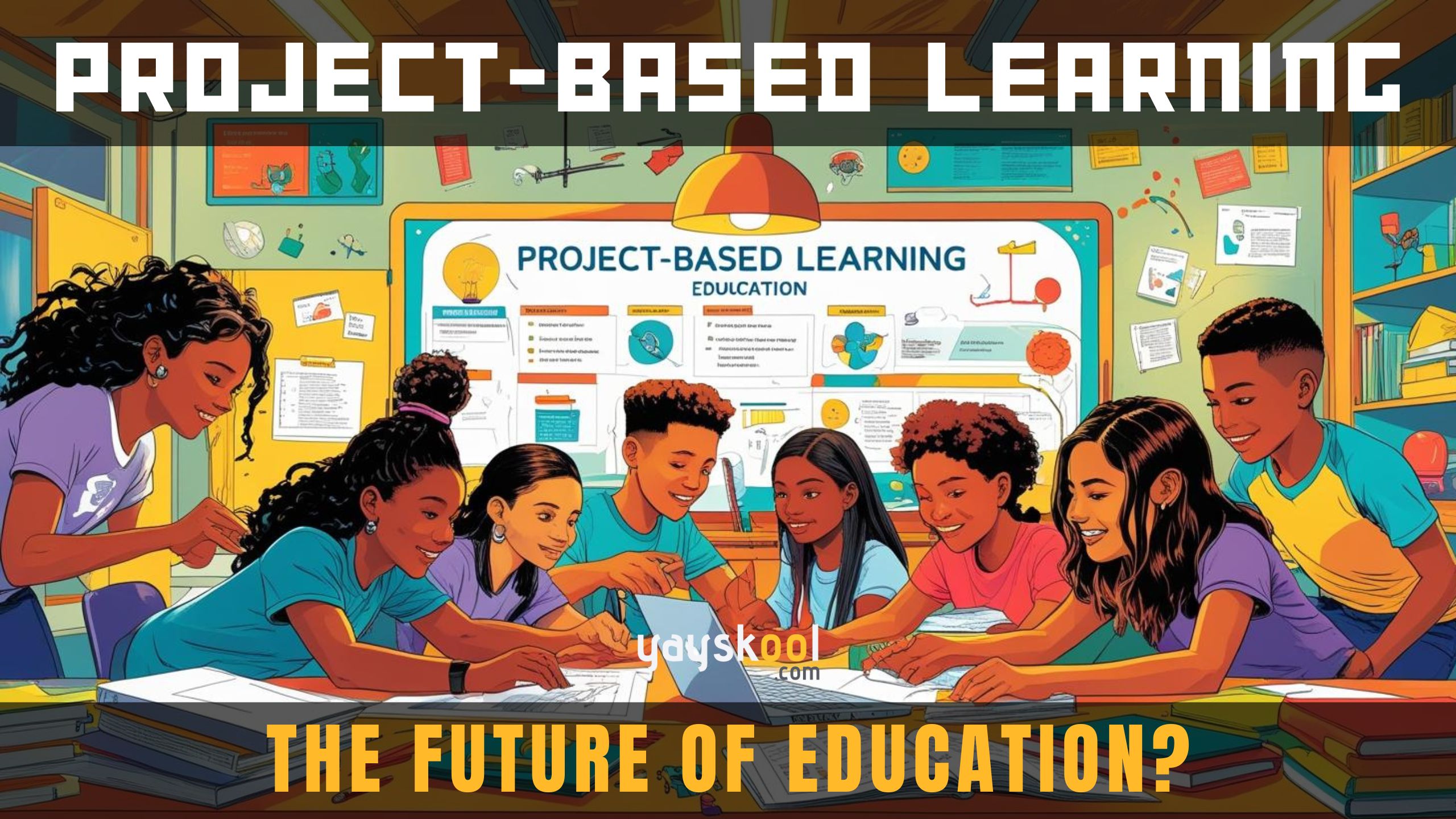
Project-Based Learning is an approach where students learn by actively engaging in real-world and personally meaningful projects.
Instead of just reading textbooks, they work on problems, design solutions, and create actual products or presentations.
Example:
Instead of studying pollution from a textbook, students may:
- Investigate local environmental issues
- Interview experts or visit polluted areas
- Propose a solution (like a recycling campaign)
- Present it to the community or school
Why Project-Based Learning is the Future
1. Real-World Skills
PBL helps students develop:
- Critical thinking
- Collaboration
- Creativity
- Communication
These are the skills employers (and life) actually demand.
2. Better Retention
When students “do,” they remember. PBL turns knowledge into experience — and experience sticks longer than memorization.
3. Student Ownership
Students get to choose or design parts of their project. This ownership fuels motivation, curiosity, and confidence.
4. Interdisciplinary Learning
A single project can blend science, math, language, art, and social studies — just like problems in real life.
5. Prepared for Future Careers
In an AI-driven, rapidly evolving job market, students must be problem-solvers and creators, not just followers.
Examples of PBL in Schools
- Design a Smart City (for 10th-grade science + geography)
- Start a Student Business (commerce + math + communication)
- Create a Documentary on Local History (social science + tech + language)
- Build a Website for a School Club (tech + creativity + teamwork)
How Can Schools Start?
- Teacher Training: Shift from "sage on stage" to "guide on the side"
- Integrated Curriculum: Combine subjects around central themes or challenges
- Time Flexibility: Break the timetable when deep work is needed
- Real Assessments: Focus on presentation, feedback, and real impact over tests
Final Thoughts
Project-Based Learning isn’t just a buzzword. It’s a revolution in how we see learning: not as passive consumption, but active creation.
As schools, educators, and parents — it’s time we stop asking, “Did you score well?” and start asking,
“What did you build, solve, or change today?”









.jpg)