How Technology Can Help Solve the Global Water Crisis
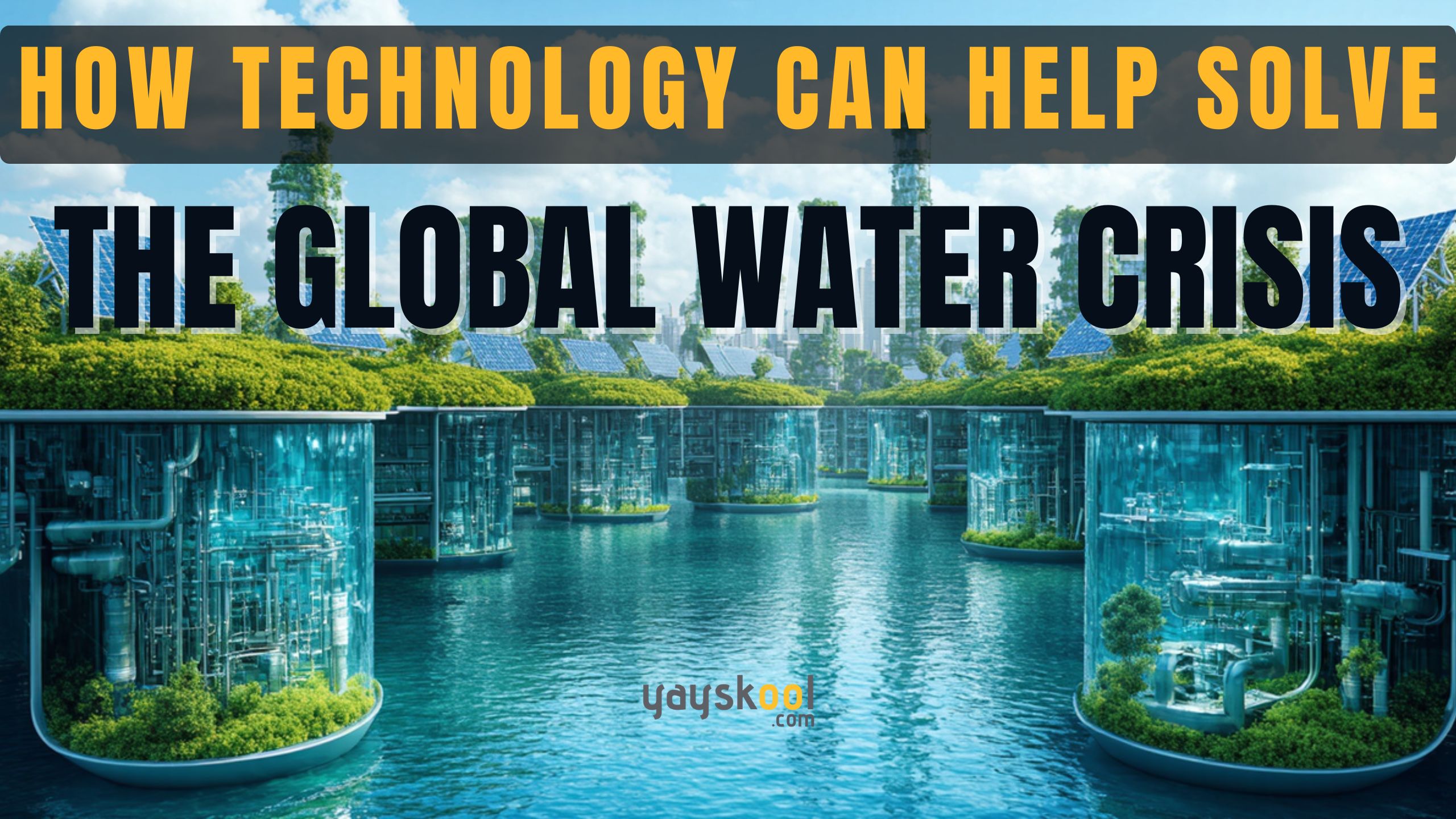
The global water crisis is one of the most pressing issues of our time, with millions of people worldwide facing water scarcity, contamination, and unequal access to safe drinking water. Fortunately, technology is playing a crucial role in addressing these challenges. Here are several innovative ways technology can help solve the global water crisis:
1. Water Desalination
Desalination technology, which turns seawater into freshwater, has been around for decades, but advancements are making it more energy-efficient and affordable. New methods such as reverse osmosis, electrodialysis, and solar desalination are being developed to increase the feasibility of desalination for regions with limited freshwater sources. With renewable energy integration, desalination could become a key solution for regions with high salinity levels in water bodies.
2. Smart Water Management Systems
IoT (Internet of Things) sensors, big data, and AI are revolutionizing the way water systems are managed. Smart water meters and sensors are being used to monitor water distribution networks, detect leaks, and optimize water use. These systems can help municipalities save millions of gallons of water by identifying inefficiencies and improving the allocation of water resources. In agriculture, smart irrigation systems help reduce water waste by delivering water only when and where it’s needed.
3. Water Purification Technologies
Innovations in water purification are enabling cheaper and more accessible solutions for clean drinking water. Portable water purifiers, like LifeStraw and ultraviolet (UV) purifiers, are now being widely used in disaster-stricken areas or rural communities. Additionally, technologies like graphene-based filtration, which can remove bacteria and contaminants on a nanoscale level, are pushing the boundaries of water purification for both residential and industrial applications.
4. Water Harvesting and Recycling
Water harvesting technologies—such as rainwater collection systems—are being used to capture and store rainwater for later use. In urban areas, systems that capture and recycle wastewater (like greywater systems) are being adopted to reduce demand on freshwater resources. The development of more efficient rainwater harvesting technologies can help communities in water-scarce regions become more self-sufficient and reduce their reliance on external water supplies.
5. Blockchain for Water Management
Blockchain, the technology behind cryptocurrencies, is finding applications in water management systems. Blockchain-based platforms can provide transparent, secure, and efficient tracking of water usage, distribution, and pricing. This transparency helps prevent water wastage and ensures fair distribution, especially in areas where water rights and access are a contentious issue. It can also enhance the efficiency of water infrastructure projects by ensuring that funds are used properly.
6. Drones and Remote Sensing
Drones equipped with advanced sensors and remote sensing technology are being used to monitor large water bodies, track water quality, and map underground aquifers. This allows governments and organizations to collect real-time data on water resources, enabling better decision-making for water management. Drones also assist in emergency response efforts during natural disasters by providing critical data for rescue teams.
7. Water-Efficient Agricultural Technologies
Agriculture consumes a large portion of the world’s freshwater supply, and improving water efficiency in farming is crucial for addressing the water crisis. Technologies like drip irrigation, precision agriculture, and drought-resistant crop varieties are helping farmers optimize water use. Advances in genetic engineering and biotechnology are leading to the development of crops that require less water to grow, reducing the pressure on water resources.
8. Wastewater-to-Energy Solutions
Wastewater treatment plants are increasingly being designed to recover energy and resources from sewage. Technologies such as anaerobic digesters convert organic matter in wastewater into biogas, which can then be used for energy production. These plants not only treat wastewater but also provide renewable energy, helping to solve the dual challenges of water scarcity and energy needs in many parts of the world.
Embracing Technological Solutions
As the global population continues to grow and climate change exacerbates water scarcity, embracing and advancing technology will be key to solving the water crisis. From desalination and purification to smart systems and agricultural innovation, there are countless technological solutions that can help improve water access, quality, and sustainability. However, technology alone cannot solve the problem—collaboration between governments, private companies, and local communities is essential to ensuring that these innovations reach those who need them most.
By continuing to invest in research and development, and by scaling these technologies to address both local and global needs, we can take significant strides towards a world where clean and accessible water is a basic right for all.










.jpg)